















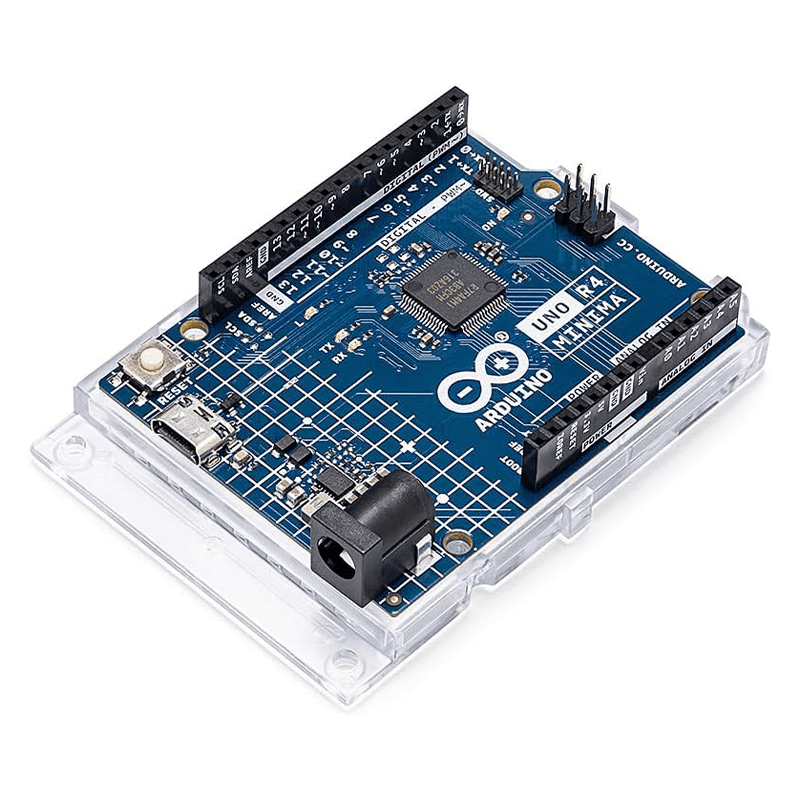
![Arduino UNO R4 Minima [ABX00080]](https://secverse.net/wp-content/uploads/2026/03/3-1-300x300.png)











































Networking for Cybersecurity Part 4 — Firewalls, VPNs, and How Traffic Gets Controlled
Firewalls, VPNs, and traffic control are the mechanisms that determine what enters, leaves, and moves through a network. Understanding how they work — and how they fail — is essential for both offensive and defensive security. This article covers the fundamentals every cybersecurity professional must know.

Networking for Cybersecurity Part 3 — Protocols You Must Know (HTTP, SSH, FTP, SMTP)
Protocols are the rules that every network communication follows. HTTP, HTTPS, SSH, FTP, SMTP — every one of them has a specific vulnerability profile. This article breaks down the protocols every cybersecurity professional must know: what each does, how it works, and exactly where attackers look for weaknesses.
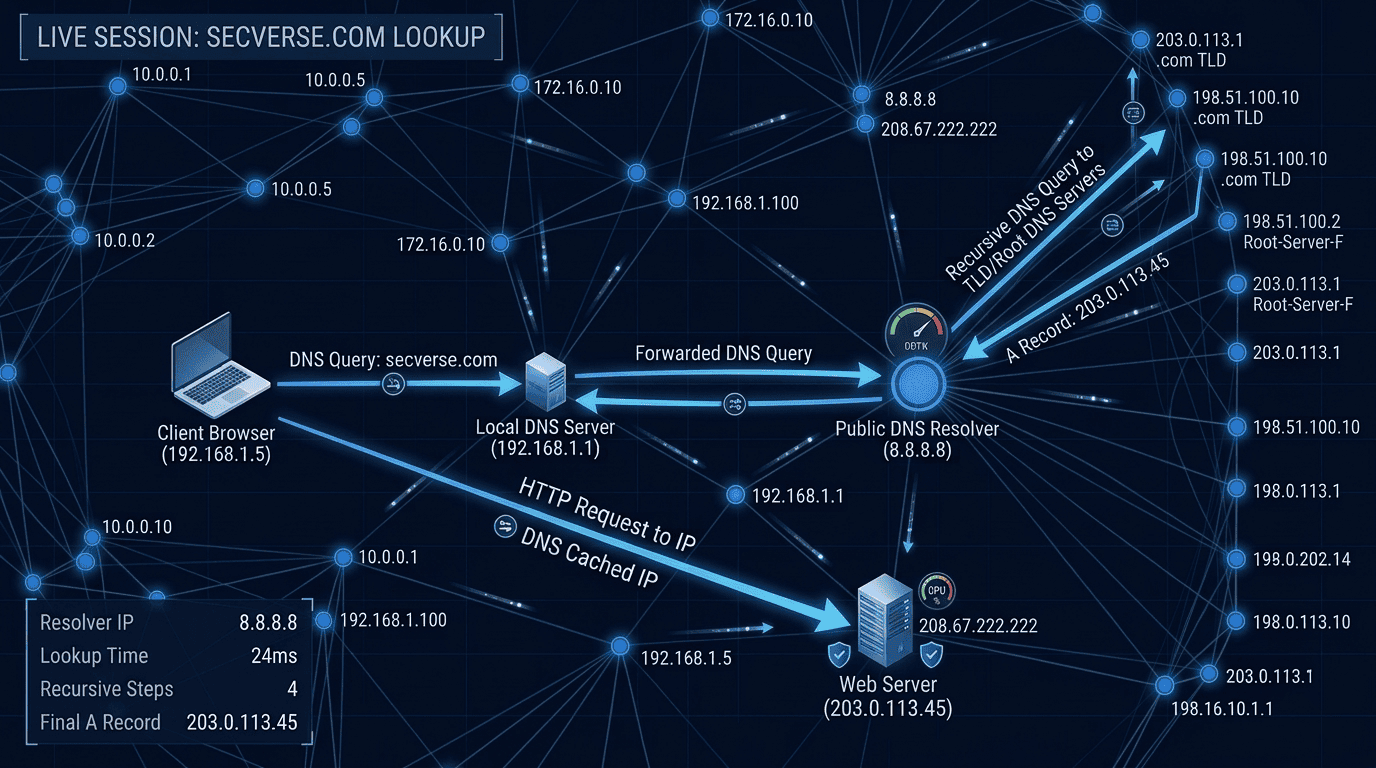
Networking for Cybersecurity Part 2 — IP Addressing, Subnets, and DNS
Before you can attack a network or defend one, you need to understand how data actually moves. Not in theory — in practice. This article breaks down the TCP/IP model and the OSI model: what they are, what each layer does, and exactly why every cybersecurity professional must understand them.
-
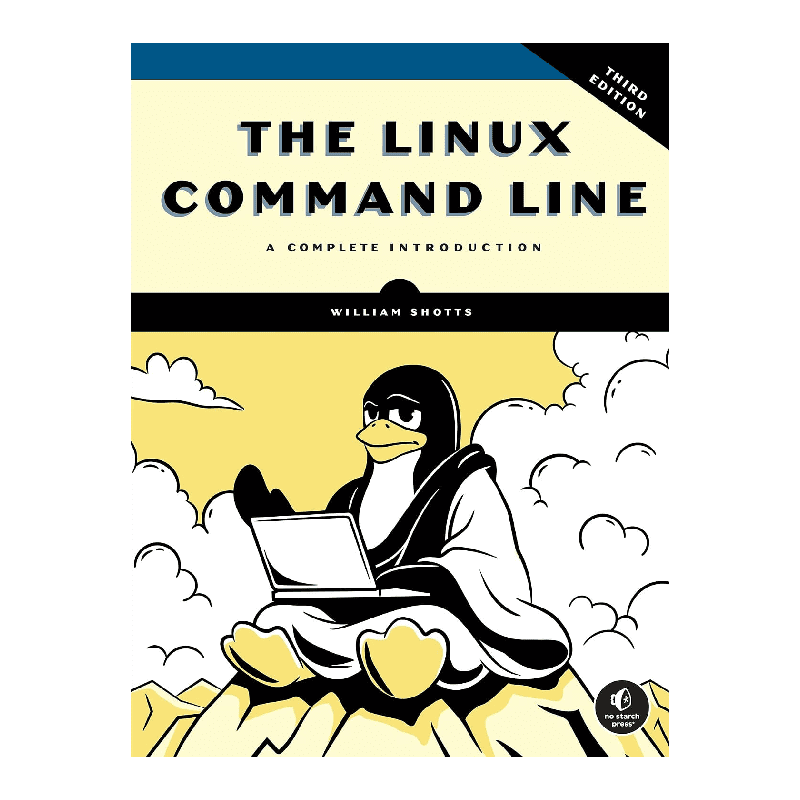
The Linux Command Line, 3rd Edition: A Complete Introduction by William Shotts (Author)
-

Linux 100 Fundamentals
-
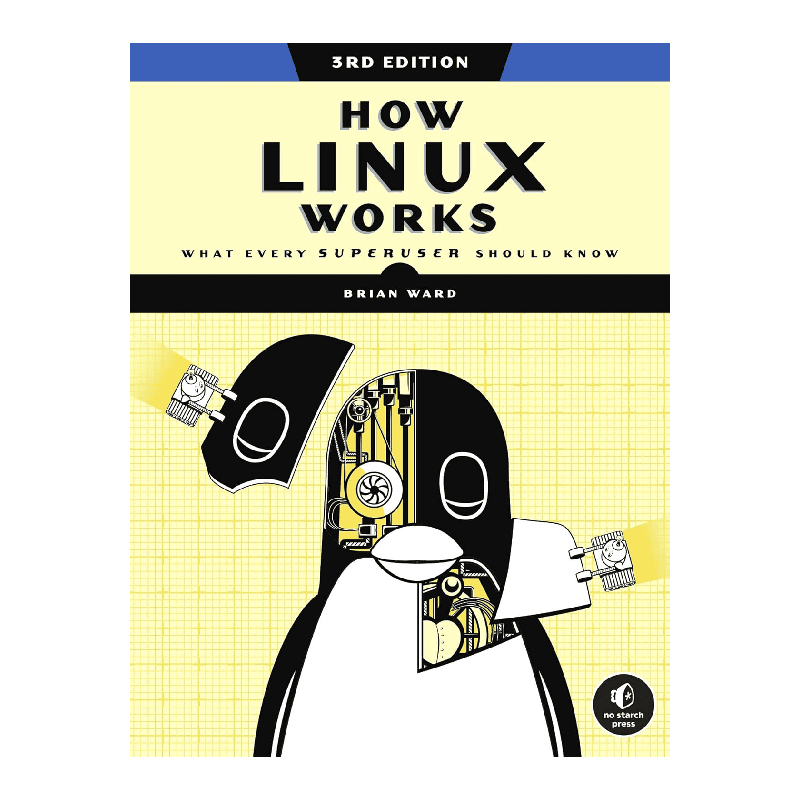
How Linux Works, 3rd Edition: What Every Superuser Should Know by Brian Ward (Author)
-
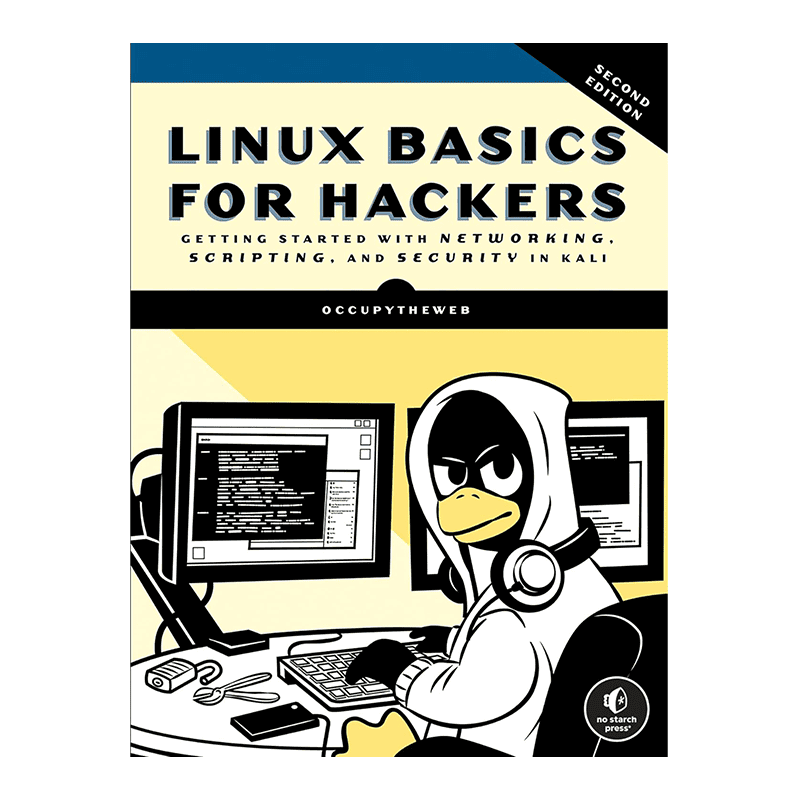
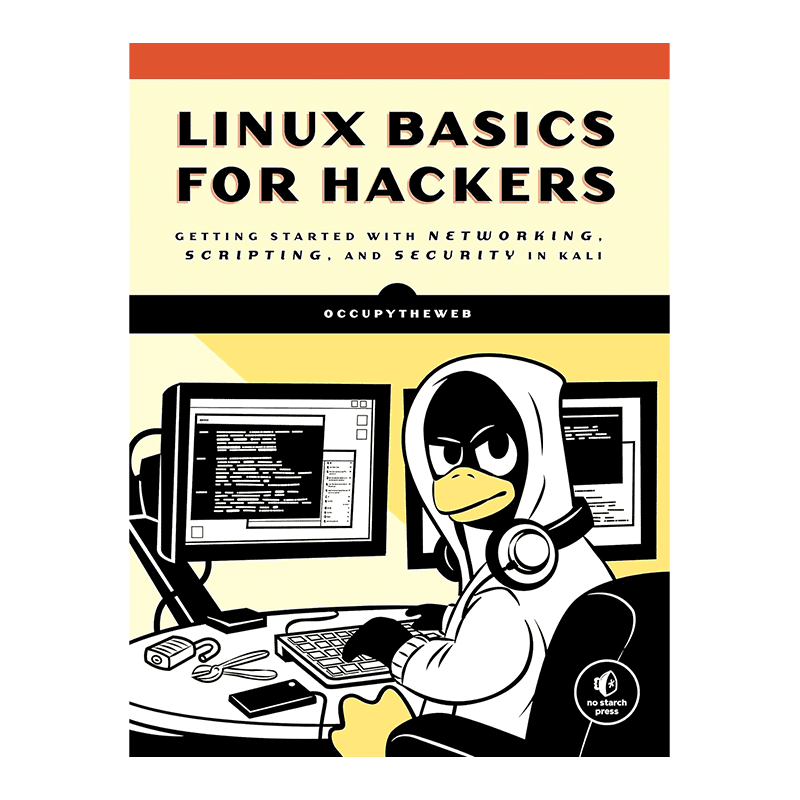
Linux Basics for Hackers, 2nd Edition: Getting Started with Networking, Scripting, and Security in Kali by OccupyTheWeb (Author)
-
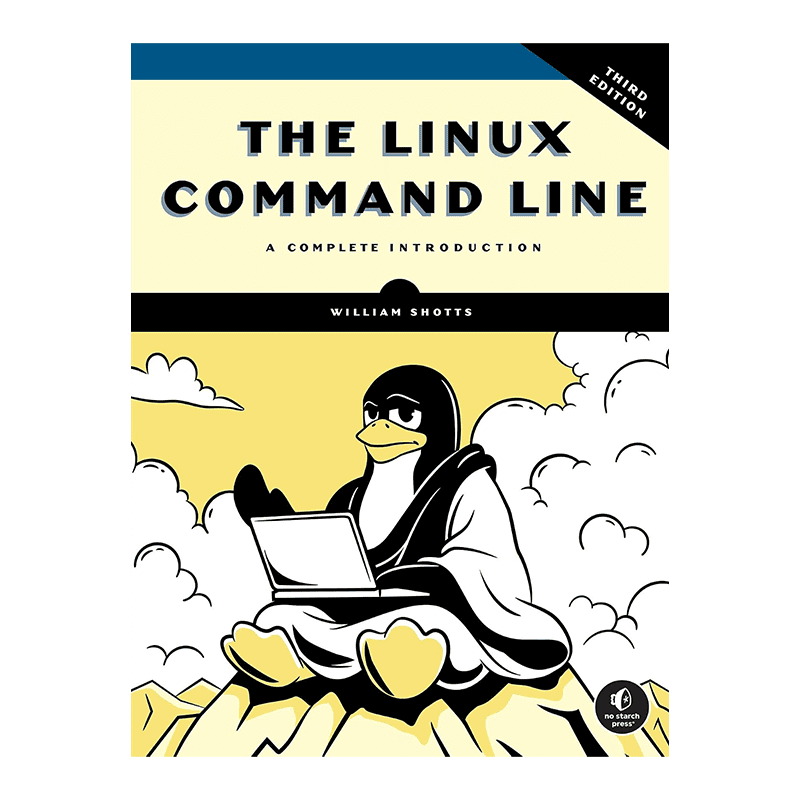
The Linux Command Line, 3rd Edition: A Complete Introduction by William Shotts (Author)