Red Team

ATT&CK-Based TTPs, C2 Infrastructure, Evasion, and Lateral Movement — What Real Red Teams Do
Red Team Operations — Adversary Simulation in Action

What is Red Teaming?

Red Teaming (Red Team Certification) isn’t just penetration testing with a fancier name or certificate to gain. It’s the full simulation of a real-world adversary — tactics, techniques, and procedures run against an organization’s people, processes, and technology simultaneously. The Red Team Village defines it clearly:

Red Teaming goes beyond penetration testing by applying a holistic, multi-disciplinary approach to emulate realistic adversaries and their tactics, techniques, and procedures (TTPs).

And from MITRE — whose ATT&CK framework underpins the entire field:

Red Teaming is the process of using adversarial TTPs to test the effectiveness of security controls and detection capabilities. Unlike penetration testing which focuses on finding vulnerabilities, red teaming focuses on testing detection and response capabilities against realistic threat actors.

The difference matters. Pentesters find holes. Red teamers test whether the blue team would have caught the attacker at all.

Is This Right for You?

This is for you if...

  • You have OSCP or equivalent hands-on offensive experience and want to go further
  • You want to simulate real threat actors using ATT&CK-mapped TTPs, not just find CVEs
  • You’re targeting red team operator or adversary simulation roles at mature security organizations
  • You’re interested in building custom tooling, C2 infrastructure, and detection evasion
  • You want to work collaboratively with blue teams in purple team exercises

This is NOT for you if...

  • You haven’t completed OSCP or equivalent practical penetration testing training yet
  • You want a clear, structured certification path — red teaming is an ecosystem more than an exam track
  • You expect a single cert to make you a red teamer — this path takes years, not months

Certification Roadmap

Red Team certification structures its certs into clear tiers. Here’s the full path from zero to advanced:

Red Team Certification OSCP Foundation → CRTO Core Skills → CRTE/GCPN Advanced Emulation
Red Team Certification Roadmap

Phase 1 — Foundation

The Red Team Village is direct about starting point:

“Begin with OSCP or similar practical penetration testing certification. This provides the hands-on exploitation skills that form the foundation of red team operations.”

Alongside an offensive cert, master the MITRE ATT&CK framework:

“MITRE ATT&CK® is a globally-accessible knowledge base of adversary tactics and techniques based on real-world observations — used as a foundation for the development of specific threat models and methodologies.”

Cert/Skill Provider Focus
OSCP
Offensive Security
Hands-on penetration testing foundation
eCPPT
eLearnSecurity
Structured offensive security alternative to OSCP
MITRE ATT&CK Fundamentals
MITRE Engenuity
Adversary TTP framework mastery

Phase 2 — Core Red Team Skills

CRTO (Certified Red Team Operator) from Zero Point Security covers Cobalt Strike operations, phishing, initial access, post-exploitation, and detection evasion — exactly what real red teamers use daily.

Certification Provider Exam Format Key Focus
CRTO
Zero Point Security
48h practical lab exam
Cobalt Strike, C2, evasion, AD attacks
GXPN
SANS/GIAC
Proctored exam
Advanced exploitation, fuzzing, shellcode
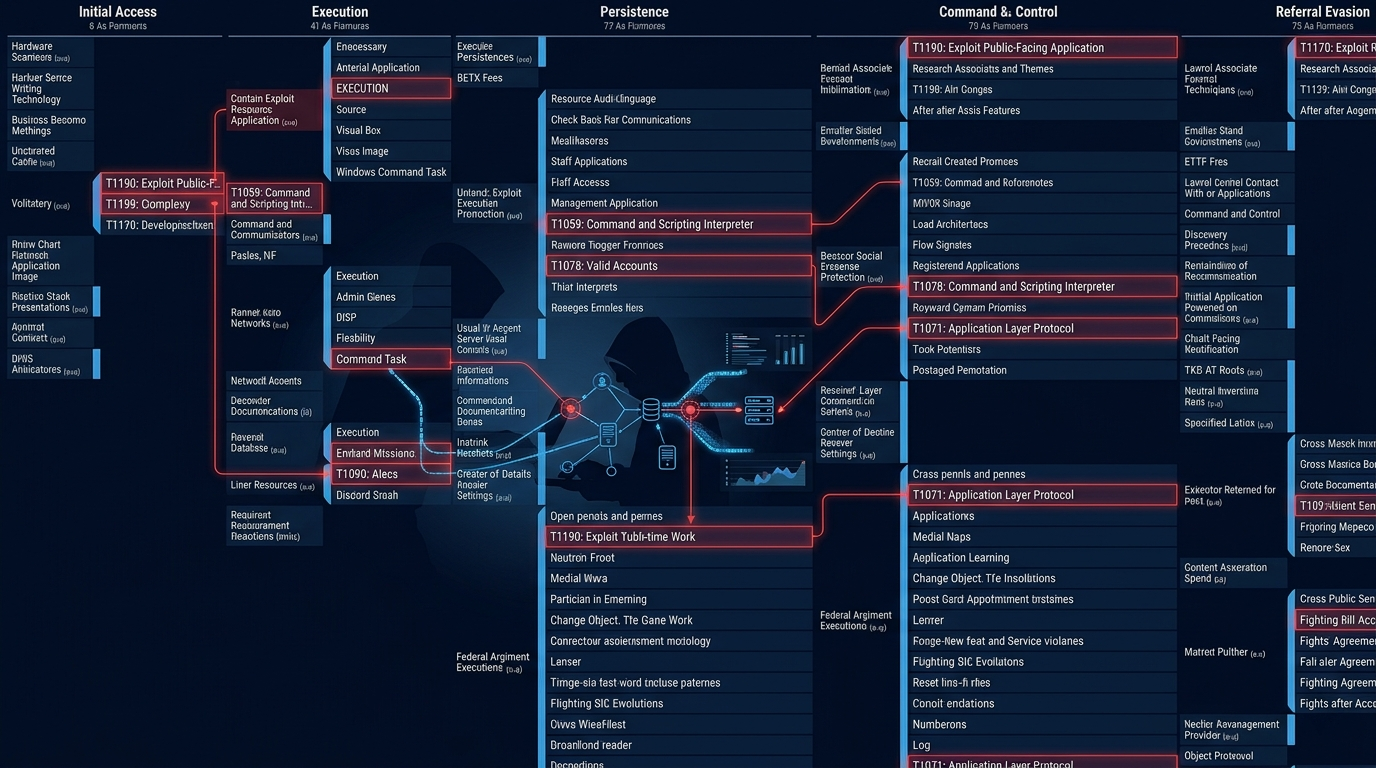
Initial Access → Execution → Persistence → Privilege Escalation → Defense Evasion → Lateral Movement → Exfiltration
MITRE ATT&CK Kill Chain Visualization

Phase 3 — Advanced Adversary Emulation

From the Center for Threat-Informed Defense:

“Advanced red teaming involves developing custom adversary emulation plans based on specific threat actors, creating custom tooling, and conducting full-spectrum adversary simulations.”

Certification Provider Focus
CRTE
Altered Security
Advanced Active Directory attacks and red team ops
GCPN
SANS/GIAC
Cloud penetration testing — AWS, Azure, GCP

Career Opportunities

Red Team Certification career approximate average salary Table.

Certification Target Job Titles Average Salary (US)
Entry Red Team
Junior Red Team Operator, Penetration Tester
$90,000 – $120,000
Mid Red Team
Red Team Operator, Adversary Simulation Analyst
$115,000 – $150,000
Senior Red Team
Red Team Lead, Threat Emulation Engineer
$140,000 – $180,000
Principal
Red Team Director, Adversary Simulation Program Lead
$170,000 – $220,000+
Average US Salaries by Red Team Experience Level — Entry Through Principal
Red Team Salary Comparison Chart

Recommended Resources

Official Study Guides

The ATT&CK Navigator is your primary planning tool for the Red Team Certification path:

The ATT&CK knowledge base is the foundation for modern red team operations — providing a common taxonomy for adversary behavior and the basis for adversary emulation planning.

Where to Practice

── Hands-On Practice Platforms ──

  • Hack The Box — Pro Labs (RastaLabs, APTLabs) for enterprise red team practice 
  • TryHackMe — Adversary Emulation and Active Directory paths 
  • OffSec Proving Grounds — OffSec Proving Grounds — advanced exploitation practice for Red Team Certification preparation
  • CyberWargames AI — adaptive APT-style scenario simulation 

How to Get Started

To start with Red Team Certification apply the following steps :

  1. Master ATT&CK before anything else. Study the 14 tactics and their techniques. Understand Initial Access, Persistence, Privilege Escalation, Defense Evasion, Lateral Movement, and Exfiltration in practice — not just on paper.
  2. Get OSCP, then CRTO. OSCP gives you the exploitation foundation. CRTO gives you the red team toolset. Together they cover 80% of what a junior red team operator needs on day one.
  3. Build your home lab and run emulations. Deploy Detection Lab, set up Cobalt Strike, run Atomic Red Team tests, check whether your own defenses catch you. Methodology only comes from practice.

📌 Note: The information on this page — including certification details, exam codes, pricing, and salary ranges — is regularly reviewed and updated to reflect the latest data from official sources. Always verify current details directly with the relevant certification body or platform before making any decisions.

Community & Support

Related Articles