Cloud

AWS, Azure, and GCP Security — IAM, Shared Responsibility, and Cloud-Native Threat Detection
Cloud Security — Protecting the Modern Infrastructure Stack

What is Cloud Security?

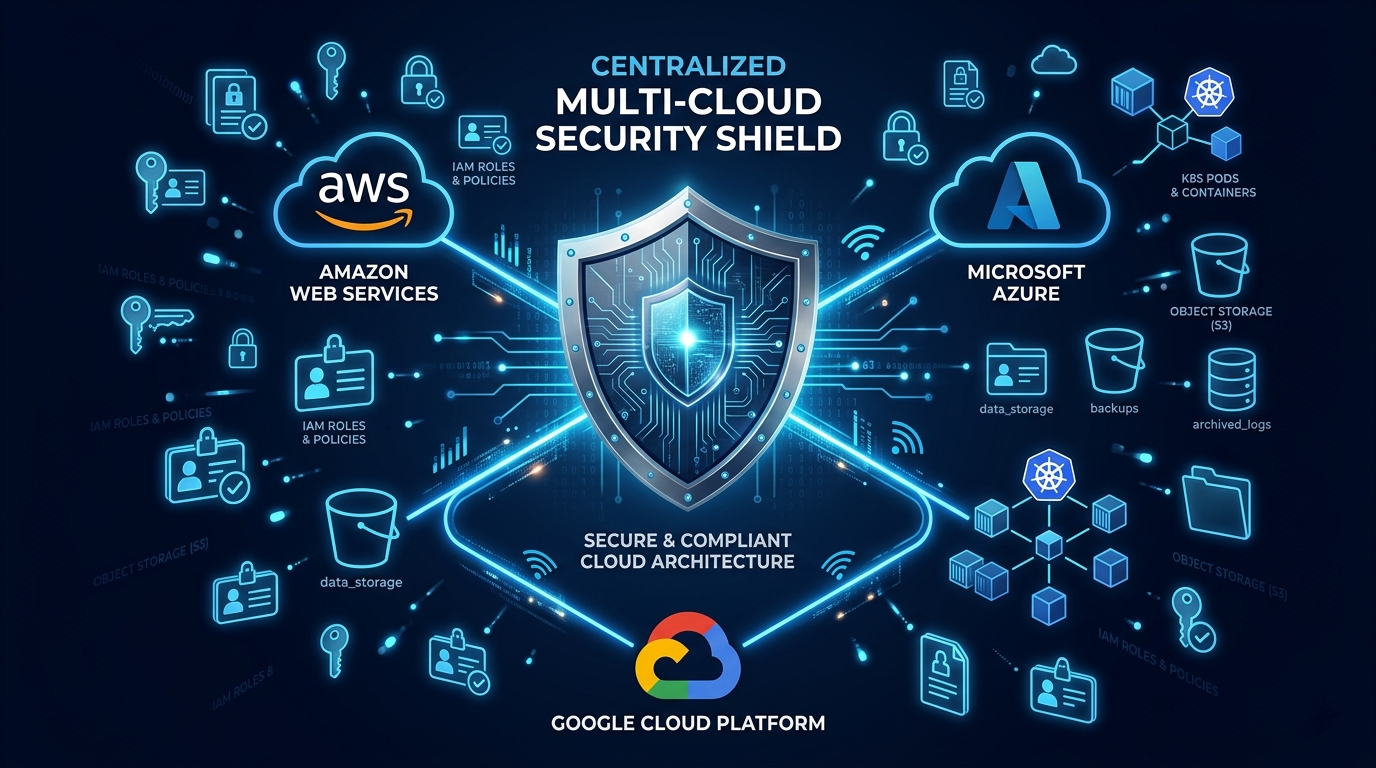
Cloud security is the fastest-growing discipline in cybersecurity. As organizations migrate to AWS, Azure, and Google Cloud Platform, the attack surface shifts — and so do the skills required to secure it. The Cloud Security Alliance defines the scope:

Cloud security encompasses the policies, controls, procedures, and technologies that work together to protect cloud-based systems, data, and infrastructure. It addresses the shared responsibility model, identity and access management, data protection, and threat detection specific to cloud environments.

NIST frames the challenge:

Cloud computing introduces unique security challenges that require organizations to understand the shared responsibility model, implement cloud-native security controls, and develop expertise in securing dynamic, scalable infrastructure.

Whether you’re on offense (cloud penetration testing), defense (cloud security architecture), or governance (compliance and risk), cloud security is where the industry is moving fastest and where the talent shortage is most acute.

Is This Right for You?

This is for you if...

  • You’re working toward cloud security architect, cloud penetration tester, or DevSecOps roles
  • Your organization is migrating to AWS, Azure, or GCP and needs security expertise
  • You have traditional security experience and want to translate it to cloud environments
  • You want the fastest-growing, highest-paying specialization in cybersecurity right now
  • You’re a developer or sysadmin who wants to build security into cloud infrastructure

This is NOT for you if...

  • You have no networking or security fundamentals — build those with CompTIA first
  • You want one certification that covers all cloud providers — you’ll need provider-specific certs
  • You’re looking for hardware or physical security skills — this path is entirely software and policy

Certification Roadmap

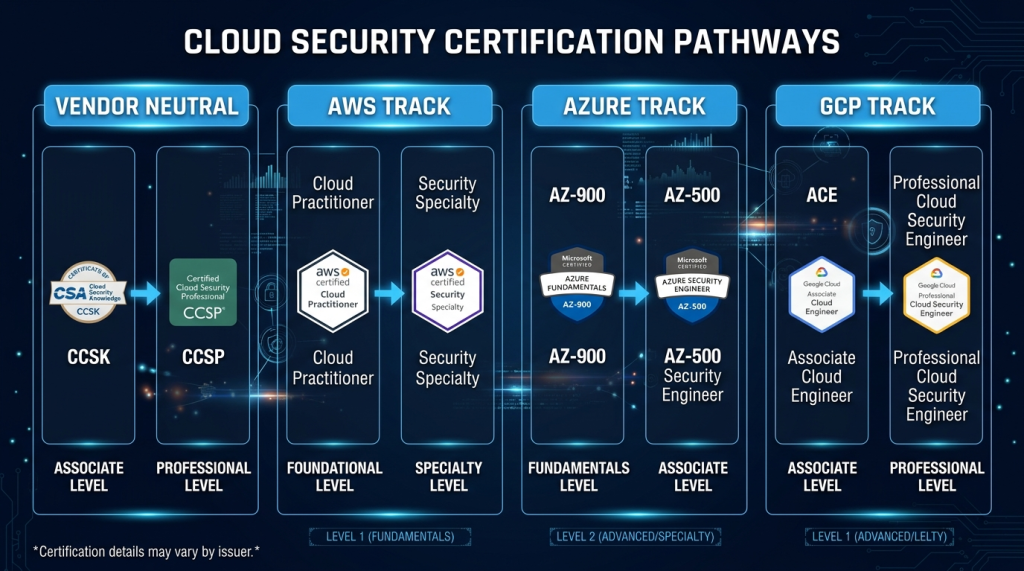
Vendor-Neutral (CCSK/CCSP) + AWS Security Specialty + AZ-500 + GCP Cloud Security Engineer
Cloud Security Certification Map

Phase 1 — Foundation (0–3 Months)

Certification Provider Focus Level
AWS Cloud Practitioner (CLF-C02)
Amazon
AWS fundamentals — services, pricing, security basics
Foundational
AZ-900 Azure Fundamentals
Microsoft
Azure core concepts, services, security intro
Foundational
CCSK (Certificate of Cloud Security Knowledge)
Cloud Security Alliance
Vendor-neutral cloud security fundamentals
Associate

Phase 2 — Associate / Professional Security (3–12 Months)

Certification Provider Focus Exam Code
AWS Security Specialty
Amazon
IAM, KMS, GuardDuty, Security Hub, CloudTrail, incident response
SCS-C02
AZ-500 Azure Security Engineer
Microsoft
Azure AD, Key Vault, Defender, Sentinel, network security
AZ-500
Professional Cloud Security Engineer
Google
GCP IAM, VPC security, Security Command Center, compliance
GCP-PCSE
CCSP (Certified Cloud Security Professional)
(ISC)²
Vendor-neutral architecture, governance, compliance, operations
CCSP

Phase 3 — Cloud Penetration Testing (Offensive)

Certification Provider Focus
GCPN (GIAC Cloud Penetration Tester)
SANS/GIAC
Cloud pentest methodology across AWS, Azure, GCP
AWS Certified Security — Specialty (offensive angle)
Amazon
Understanding AWS attack surface for offensive work
PentesterLab Cloud Path
PentesterLab
Hands-on cloud misconfiguration exploitation
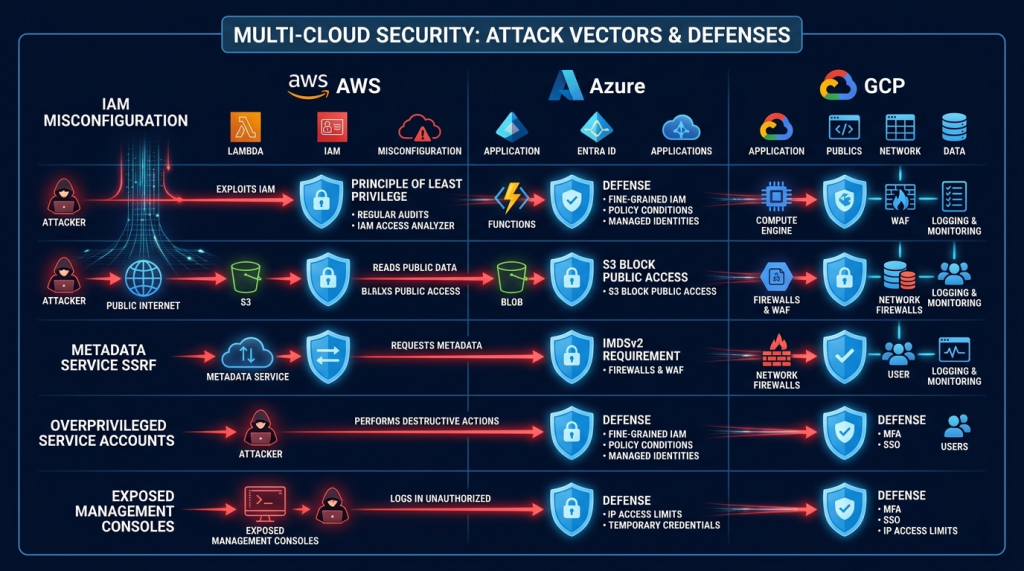
IAM Misconfiguration, S3 Exposure, Metadata SSRF, Overprivileged Service Accounts — Cloud Attack Vectors
Cloud Attack Surface Diagram

Phase 4 — DevSecOps & Architecture

Certification Provider Focus
KCSA (Kubernetes and Cloud Security Associate)
CNCF
Container and Kubernetes security fundamentals
CKS (Certified Kubernetes Security Specialist)
CNCF
Advanced Kubernetes security hardening and attack detection
AWS DevOps Professional
Amazon
CI/CD security, infrastructure as code security practices

Career Opportunities

Role Target Job Titles Average Salary (US)
Cloud Security Engineer
Cloud Security Engineer, AWS/Azure Security Engineer
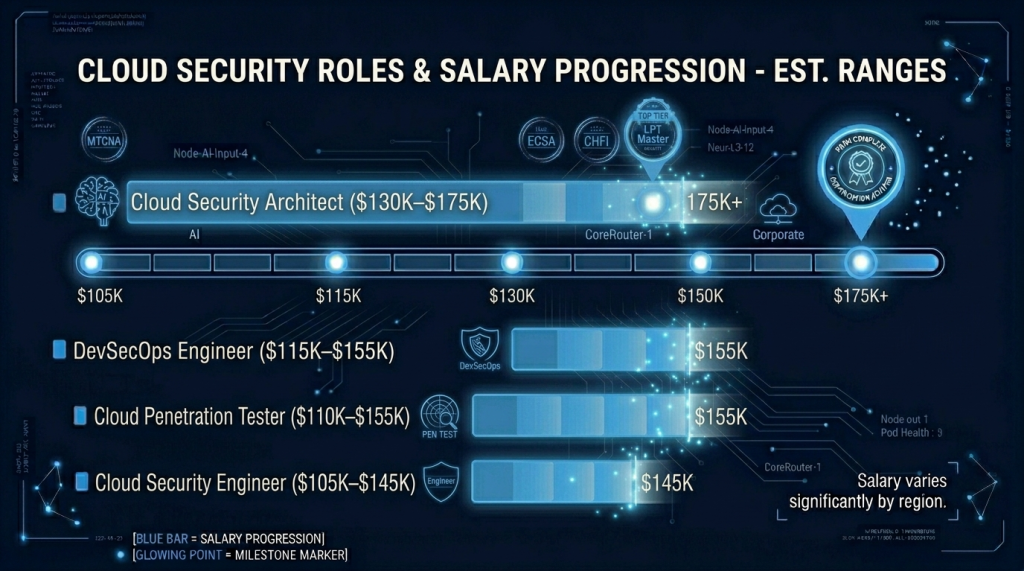
$105,000 – $145,000
Cloud Security Architect
Cloud Security Architect, Principal Cloud Engineer
$130,000 – $175,000
Cloud Penetration Tester
Cloud Pentester, Cloud Red Team Operator
$110,000 – $155,000
DevSecOps Engineer
DevSecOps Engineer, Platform Security Engineer
$115,000 – $155,000
Average US Salaries by Cloud Security Role — Engineer, Architect, Penetration Tester, DevSecOps
Cloud Security Salary Comparison Chart

Recommended Resources

Official Study Guides

Where to Practice

── Hands-On Practice Platforms ──

How to Get Started

  1. Create a free AWS or Azure account today. Both offer free tiers. Spin up a VM, create an IAM user with wrong permissions, deploy an S3 bucket with default settings — then fix it. Seeing misconfigurations with your own hands is how cloud security becomes real.
  2. Complete the free CCSK training before paying for any cert. The CSA offers free CCSK study materials. Complete them before spending money on provider-specific training. The vendor-neutral foundation makes every provider cert easier.
  3. Do flaws.cloud before any cloud pentest cert. cloud is a free AWS CTF built around real-world misconfigurations. Working through it teaches more about cloud attack surface than most paid courses.

📌 Note: The information on this page — including certification details, exam codes, pricing, and salary ranges — is regularly reviewed and updated to reflect the latest data from official sources. Always verify current details directly with the relevant certification body or platform before making any decisions.

Community & Support

Related Articles

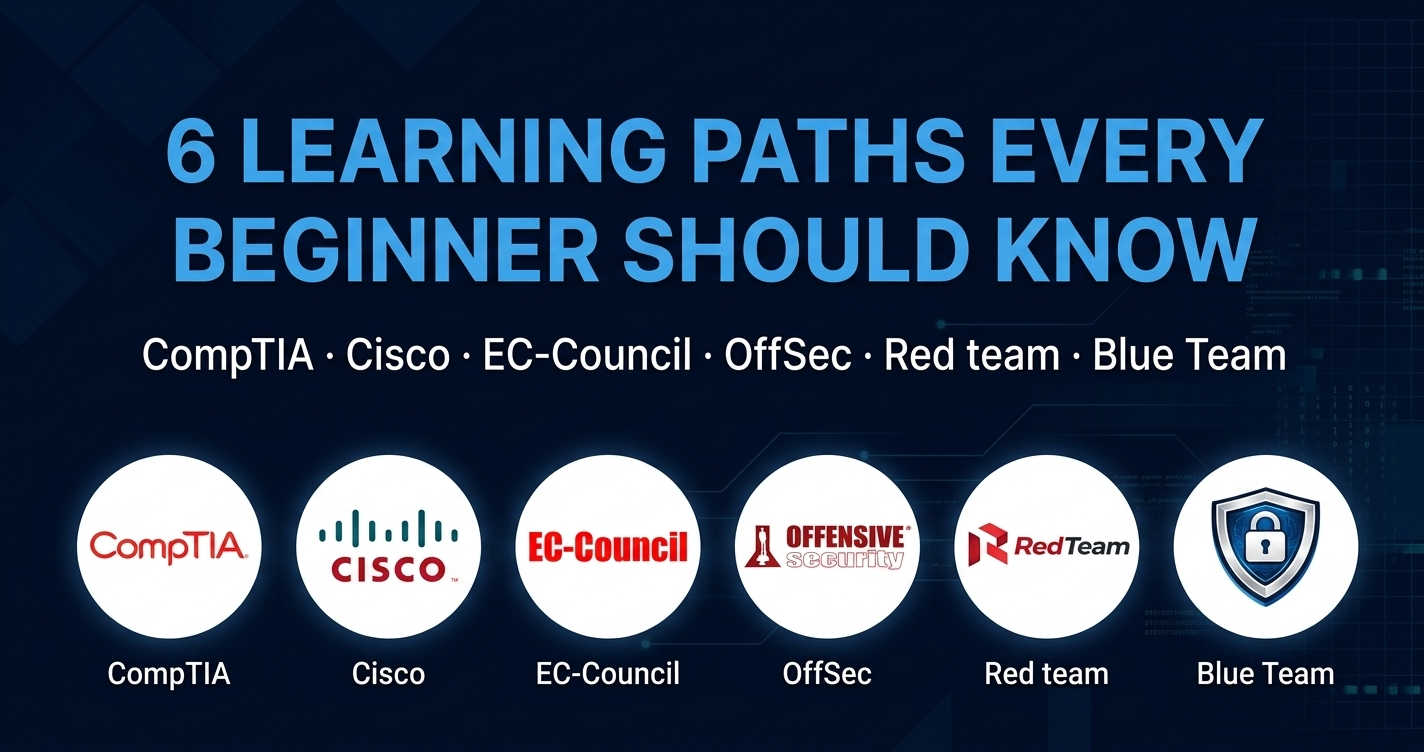
The 6 Learning Paths Every Cybersecurity Beginner Should Know

Affiliate Disclaimer: Some links in this article are affiliate links. This means if you click a link and make a purchase, SecVerse may earn a small commission — at no extra cost to you. We only recommend tools we genuinely believe in and that we consider useful for your cybersecurity learning journey. Our editorial opinions are never influenced by affiliate relationships. Introduction: **In our first guide**, we covered how to start learning cybersecurity without feeling overwhelmed. If you haven’t read it yet, start there. Now, let’s talk about which path to take once you’re ready. When I decided to get into cybersecurity 20 years ago after I graduated from school of engineering as computer engineer, I had no idea which path to take. I bought a CEH course first. Then I bought a Security+ book. Then I tried to learn networking. I was all over the place. Don’t be me.
Read More »

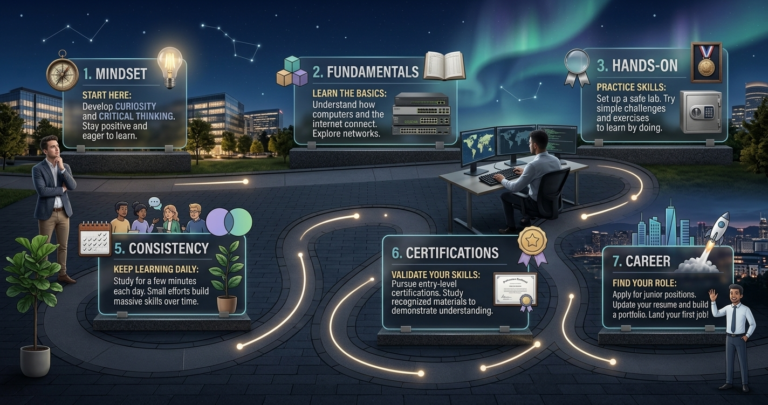
How to Start Learning Cybersecurity Without Feeling Overwhelmed

Affiliate Disclaimer: Some links in this article are affiliate links. This means if you click a link and make a purchase, SecVerse may earn a small commission — at no extra cost to you. We only recommend tools we genuinely believe in and that we consider useful for your cybersecurity learning journey. Our editorial opinions are never influenced by affiliate relationships. Introduction: The Overwhelm is Real (But Avoidable) Let’s be honest with ourselves to avoid the shock and be realistic. Cyber security is huge, branching, and massive field. When I decided to get and start in this field 20 years ago. I made every mistake imaginable: Bought expensive courses I never finished. Tried to learn everything at once – pentesting, malware analysis, cloud security, forensics. All in short time. Got trapped in “tutorial”- watching videos for hours but never actually doing anything because of not practicing them and being confused.

Read More »